How It Works
Owning minerals works a lot like owning the land under a commercial building. The operator pays to build and run the property, and the owner collects a share of what it earns. Here is how that works in oil and gas, and how PetroPeak puts it to work for investors.
Three ways to own oil and gas
The same well can have three kinds of owners. What separates them is who pays the costs and who carries the risk of drilling.
Mineral interest
Ownership of the oil and gas beneath the surface, including the right to lease it to an operator.
Drilling and operating costs
None
Share of revenue
A royalty set in the lease, commonly 12.5% to 25% of gross production revenue
Operating liability
None
Held by PetroPeak
Yes
Royalty interest
A share of production revenue carved out of the minerals, without the right to lease or develop.
Drilling and operating costs
None
Share of revenue
A fixed share of gross production revenue
Operating liability
None
Held by PetroPeak
Yes
Working interest
The right, and the obligation, to drill and operate wells.
Drilling and operating costs
Pays its share of every cost
Share of revenue
What remains after royalties and costs
Operating liability
Yes, including operating and environmental risk
Held by PetroPeak
No
How a royalty pays you
01
The operator drills and produces
An operator such as ExxonMobil or ConocoPhillips drills the well and pays every cost of drilling, completing and running it.
02
The production is sold
Oil and gas are sold to a purchaser, such as a refiner or pipeline marketer, and the operator collects the revenue.
03
Royalties come off the top
Royalty owners are paid their share of gross revenue before the operator’s costs, usually 60 to 90 days after the month of production.
04
PetroPeak distributes quarterly
PetroPeak collects royalty payments across its wells and operators, reconciles them, and distributes to investors each quarter.
What drives value
Most royalty buyers price what a well has already produced. PetroPeak also underwrites what the acreage has yet to produce.
Driver 1
Current cash flow
Producing wells pay royalty income every month, with no capital or operating costs to the owner.
Driver 2
Development upside
We evaluate the undrilled locations on our acreage, not only the wells already producing. Each new well an operator drills adds royalty income at no cost to us.
Driver 3
Asset appreciation
As undeveloped locations become producing wells, the minerals beneath them can become more valuable. The fund intends to realize that value through a sale or other exit at the end of its term.
Risks, and how we manage them
Every mineral investment carries risk, including the loss of capital. These are the risks we weigh first, in the order we weigh them.
Reservoir quality
The rock sets the ceiling on what any well can produce. Geological evaluation of the reservoir is where our underwriting starts.
Operator quality
Who drills the wells determines how well and how fast they are developed. We favor large, well-capitalized operators with active programs on our acreage.
Wellbore integrity
Poorly built or aging wells can fail early. We review well histories and completion design before we buy.
Offset frac impact
New wells completed nearby can cut production from existing wells for a time. We account for well spacing and nearby activity in our forecasts.
Title
A royalty is only as good as its title. Every acquisition includes a title review before closing.
Commodity price
The one variable no one controls. We run each acquisition across a wide range of oil and gas prices to understand the downside, and the fund has no current use of leverage.
Tax treatment
Depletion
Owners of mineral and royalty interests may deduct a depletion allowance, which can shelter part of royalty income from tax.
Pass-through structure
The fund is not taxed at the entity level. Each investor receives an annual Schedule K-1 reporting their share of income and deductions.
Retirement accounts
Investors may be able to invest through a self-directed IRA. PetroPeak works with Preferred Trust Company as an SD IRA custodian.
Tax treatment depends on your circumstances. Please talk with your CPA or tax advisor before investing.
Watch: the basics in 10 minutes
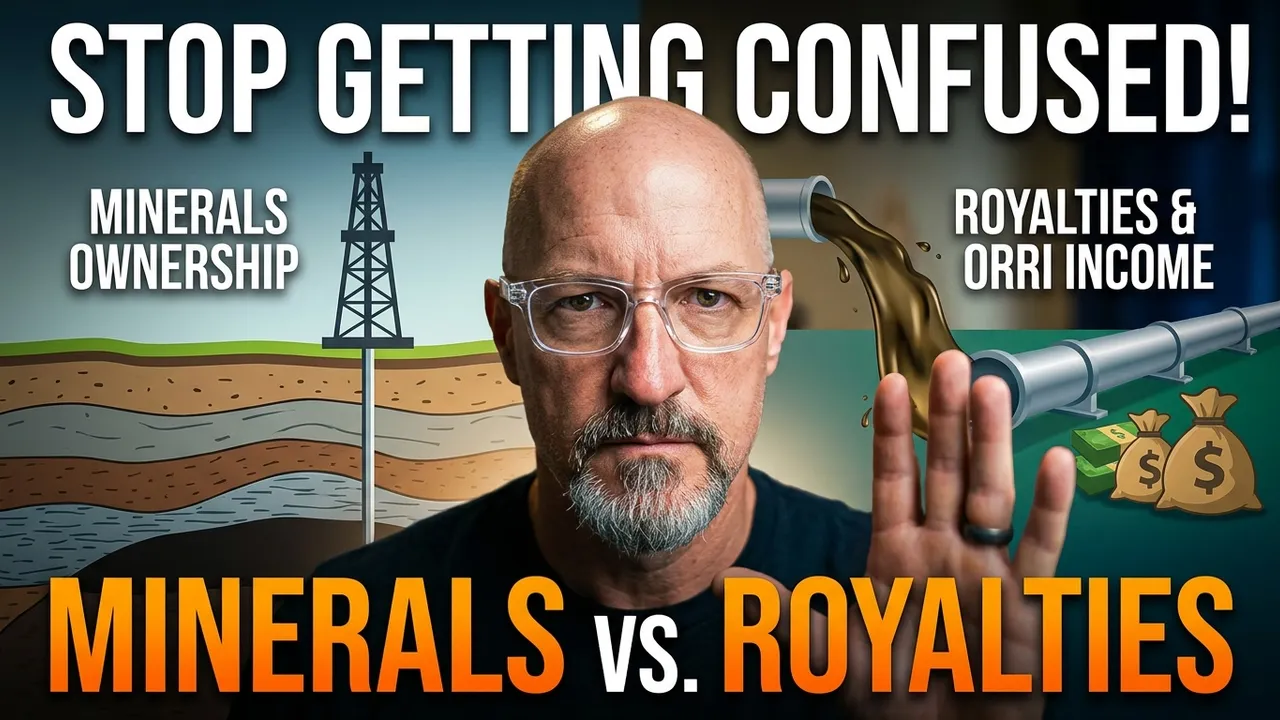
Mineral vs. Royalty: Stop Making This Investment Mistake
How Mineral Owners Get Paid (The Truth About Royalties)
Keep learning, or talk it through
Get PetroPeak Perspectives every two weeks, or book a 30-minute call with John Jordan to walk through the fund.
